
The History
From industry to tourism: centuries of transformation
A History of Water and Industry
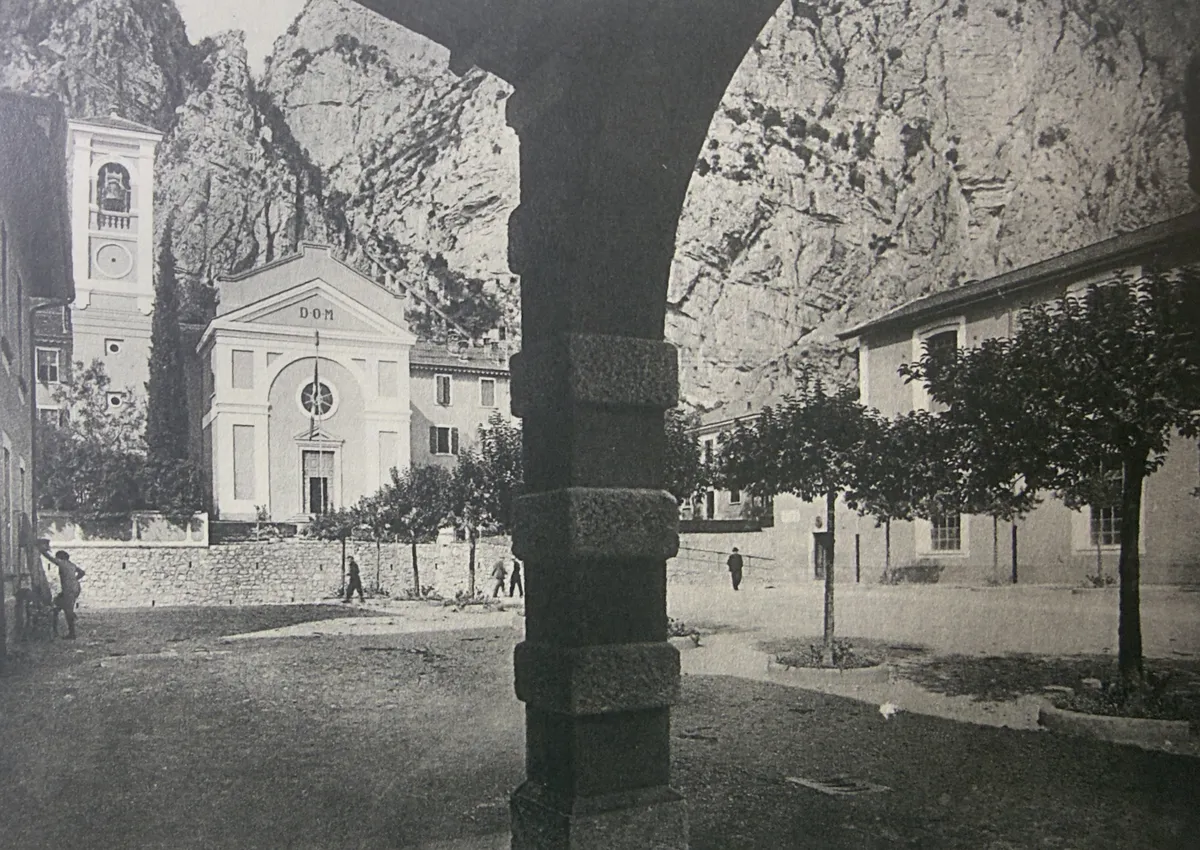
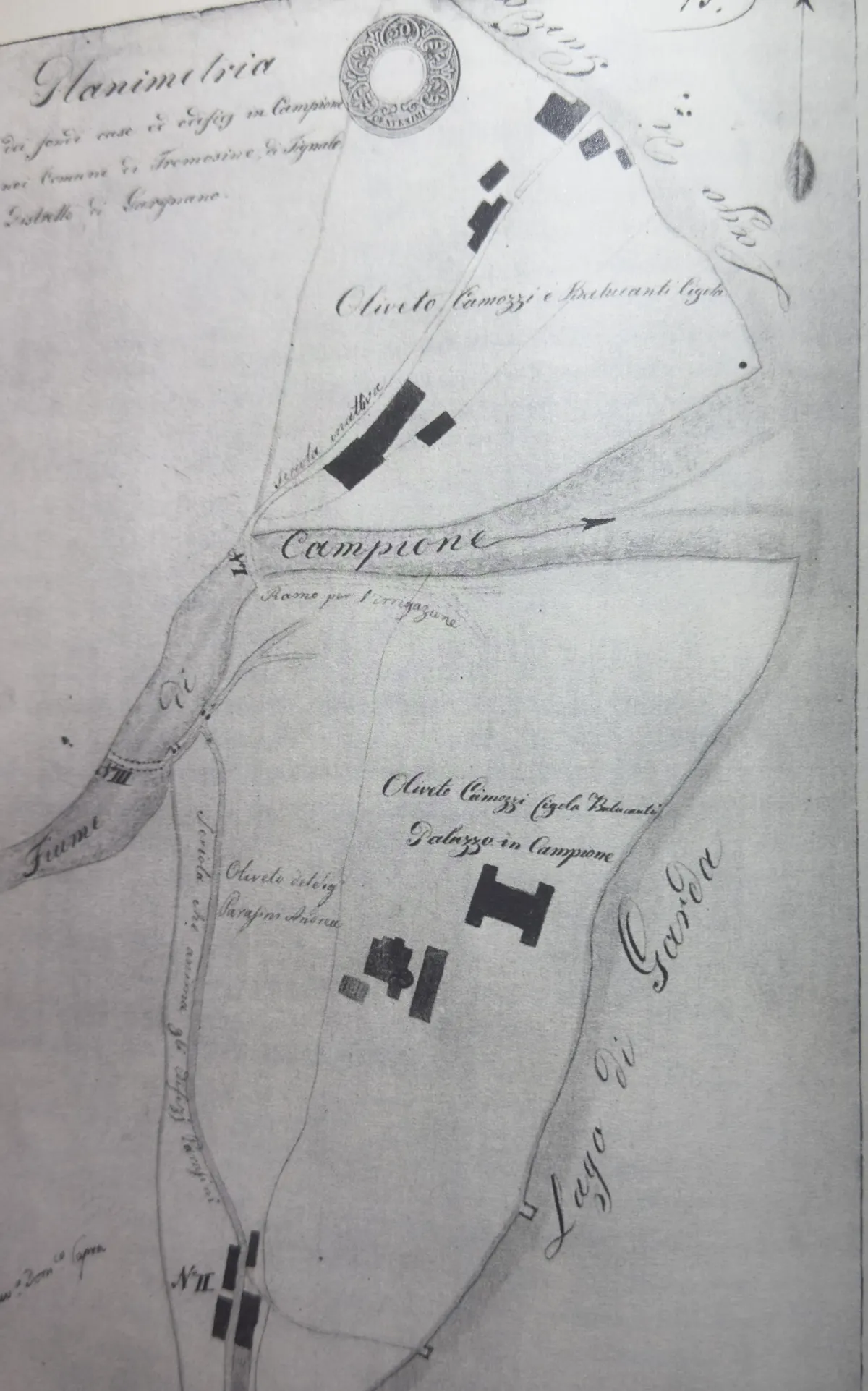
The history of Campione del Garda is closely linked to water and industry. As early as the 16th century, the village was home to mills, paper mills and forges that harnessed the power of the San Michele stream. After a period of decline and almost total depopulation in the 19th century, Campione experienced a sudden rebirth thanks to industrialisation.
The Industrial Era
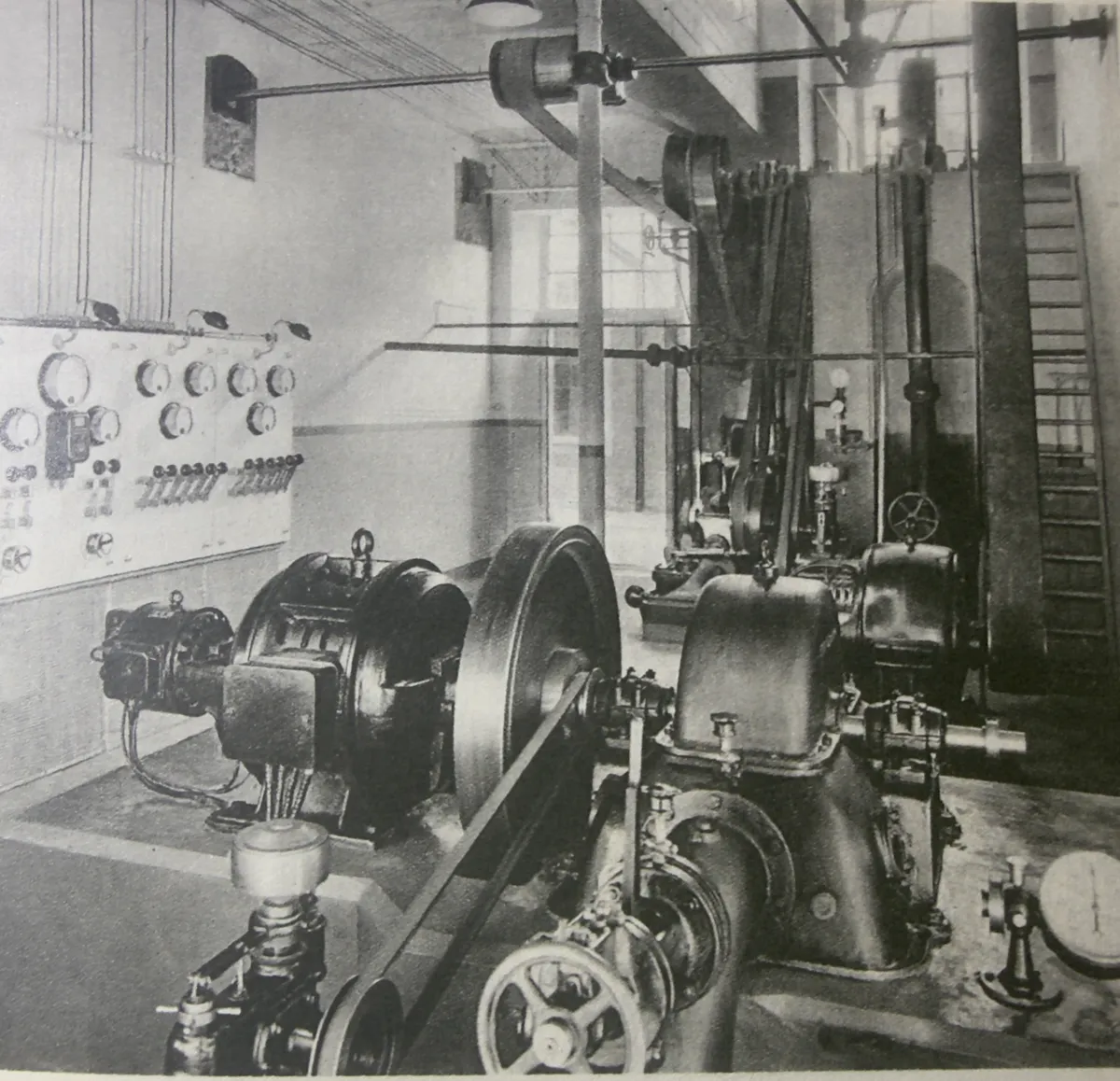
At the end of the 19th century the village was chosen as the site of a large cotton mill, rapidly transforming into a self-sufficient workers’ village. This phase deeply shaped the urban, social and cultural structure of the village, which remained tied to industrial activity for almost a century.
The cotton mill, founded by Giangiacomo Feltrinelli in 1896, marked a true revolution for Campione. Houses for the workers, a church, a theatre, a boarding house and a company store were built. The village became a self-sufficient community, a model workers’ village typical of the era.
Timeline
First paper mills and mills on the San Michele stream
The Archetti family acquires the workshops and opens a spinning mill
A flood destroys the old workshops
Feltrinelli founds the cotton mill
Definitive closure of the factory
Tourist redevelopment of the village
The closure of the factory in 1981 led to a new period of crisis and abandonment, until attempts at tourist conversion were undertaken in the following decades.
Today Campione del Garda has found a new identity as a destination for water sports and nature tourism, while preserving the visible traces of its industrial past in the architecture of the village.